
Selecting an ultrapure water system is a critical decision for any laboratory. It requires careful evaluation of factors such as purity levels, water demand, and existing infrastructure Demineralized water. Lab Alliance offers expertise in various purification technologies. Understanding these elements is essential for optimizing research outcomes. The following sections will explore how to assess specific needs and the advantages of collaborating with Lab Alliance in this process.
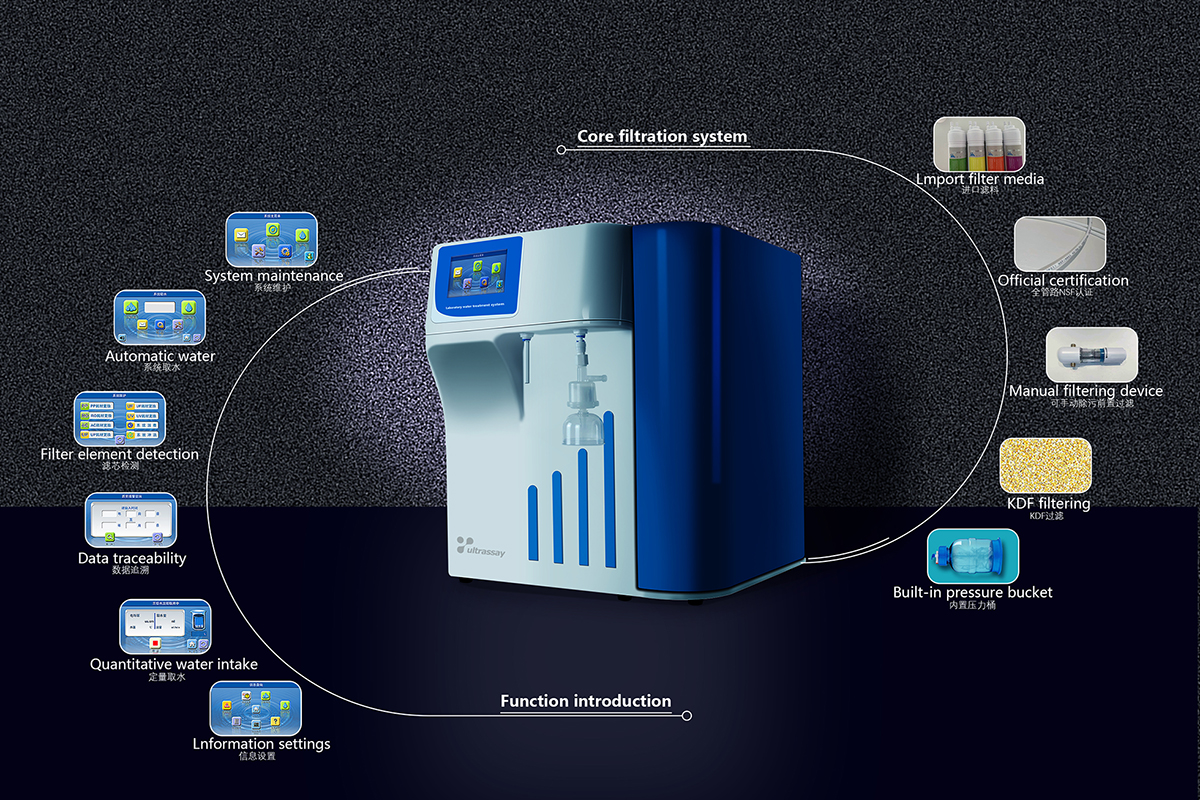
Understanding Ultrapure Water and Its Importance
Ultrapure water, a crucial resource in various industrial and laboratory applications, is defined by its remarkably low levels of impurities, including ions, organic compounds, and microorganisms. The ultrapure definition emphasizes the removal of contaminants to achieve resistivity levels exceeding 18.2 MΩ·cm, essential for preventing interference in sensitive experiments and processes.
Industries such as pharmaceuticals https://laballiance.com.my/, semiconductor manufacturing, and biotechnology rely on ultrapure water for its ability to maintain product integrity and enhance operational efficiency.
In pharmaceutical production, ultrapure water is essential for formulation and sterilization processes, ensuring that no unwanted substances compromise the final product.
In semiconductor fabrication, the presence of even trace impurities can lead to defects, making ultrapure water indispensable for rinsing and cooling processes.
As various sectors increasingly prioritize purity, understanding the significance of ultrapure water and its specific water applications becomes paramount for achieving optimal outcomes and maintaining regulatory compliance.
Key Factors to Consider When Selecting a System
When selecting an ultrapure water system, it is essential to evaluate purity level requirements, as different applications demand varying degrees of water quality.
Additionally, the type of system available—ranging from reverse osmosis to distillation—can greatly influence performance and suitability.
Budget considerations also play a critical role, as the initial investment and ongoing maintenance costs must align with operational needs and financial constraints.
Purity Level Requirements
How does one determine the appropriate purity level for an ultrapure water system? The selection hinges on the specific applications and associated purity standards that dictate the acceptable contaminant levels.
Various industries, such as pharmaceuticals and semiconductor manufacturing, require stringent purity levels to guarantee product integrity and compliance.
Testing methods, including conductivity measurement and total organic carbon analysis, play a vital role in evaluating water purity. These methods help identify contaminants that may not be visible, enabling users to make informed decisions.
Understanding the required purity level not only influences system selection but also impacts operational efficiency and product quality.
Ultimately, aligning purity requirements with the appropriate ultrapure water system is fundamental for achieving ideal results in laboratory and industrial environments.
System Type Options
Selecting the appropriate ultrapure water system involves careful consideration of various system type options, which are influenced by the previously established purity level requirements.
Different systems, such as reverse osmosis, distillation, or deionization, offer distinct system features that cater to specific applications. For example, reverse osmosis systems are known for their efficiency in removing ions and larger molecules, while distillation is effective in eliminating volatile contaminants.
User reviews play an essential role in evaluating these options, providing insights into reliability, maintenance, and overall performance.
Budget Considerations
Budget considerations play an essential role in the selection of an ultrapure water system, as financial constraints can significantly impact the decision-making process.
It is vital for organizations to evaluate both initial costs and ongoing operational expenses when seeking cost-effective solutions. While lower-priced systems may present immediate savings, they can lead to higher maintenance and replacement costs over time, making them less favorable as long-term investments.
Conversely, investing in a higher-quality system may require a larger upfront expenditure but can result in reduced operational costs and enhanced reliability.
Ultimately, stakeholders must balance their budgetary limits with the need for a dependable ultrapure water supply, ensuring that their choice aligns with both current needs and future growth.
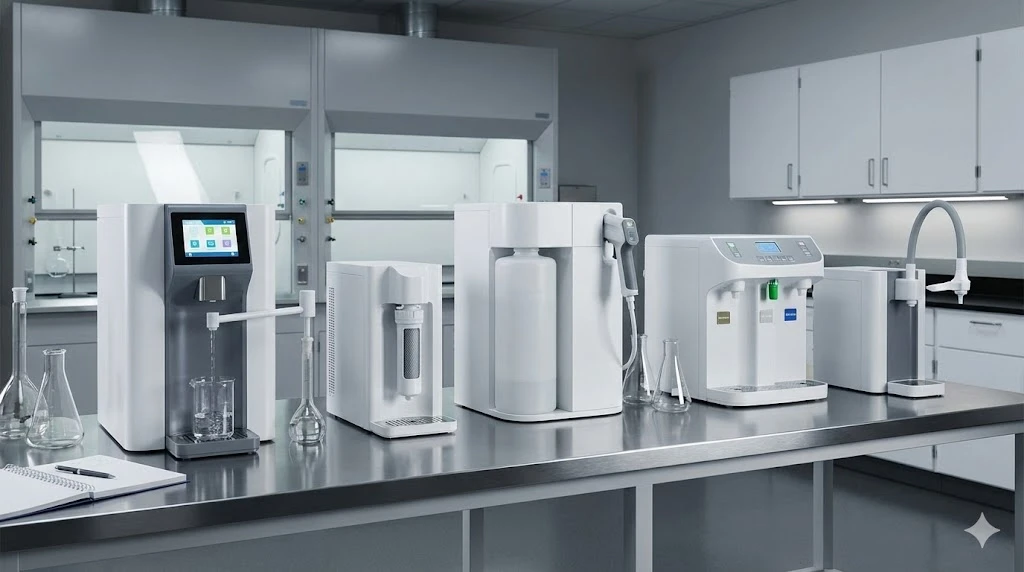
Types of Ultrapure Water Systems Available
Ultrapure water systems can be categorized into several types, with distillation systems and reverse osmosis being two prominent options.
Distillation systems utilize heat to vaporize water, effectively removing contaminants, while reverse osmosis employs membranes to filter out impurities at a molecular level.
Each system offers distinct advantages, making it essential to evaluate their functions in relation to specific application needs.
Distillation Systems Overview
Distillation systems represent a fundamental category of ultrapure water technologies, employing thermal processes to achieve high levels of purity.
The distillation process involves heating water to create steam, which is then condensed back into liquid form, effectively removing impurities such as dissolved salts, organic compounds, and microbial contaminants. This method is particularly valued for its ability to produce high-quality water suitable for demanding laboratory applications.
However, energy efficiency is a critical consideration; traditional distillation can consume significant energy, impacting operational costs. Advanced systems have been developed to enhance energy efficiency, utilizing techniques such as multi-effect distillation or vapor compression.
These innovations allow for a balance between high purity output and reduced energy consumption, making distillation an attractive option in various settings.
Reverse Osmosis Benefits
Reverse osmosis (RO) offers a distinct approach to achieving high water purity, complementing the thermal processes of distillation systems.
The reverse osmosis advantages include its ability to effectively remove a wide range of contaminants, including dissolved salts, organic compounds, and microorganisms. This method operates at lower temperatures, enhancing energy conservation and sustainability.
Additionally, reverse osmosis efficiency is notable; it typically requires less time to produce ultrapure water compared to traditional methods. The compact design of RO systems also allows for easy integration into various laboratory settings.
By utilizing advanced membrane technology, these systems provide consistent water quality, essential for critical applications in research and industry.
Assessing Your Laboratory’s Specific Needs
How can a laboratory effectively determine its specific water purification requirements? A thorough laboratory requirements assessment is essential to identify the unique demands of each facility.
This process begins with a specific needs analysis, which focuses on factors such as the types of experiments conducted, the volume of ultrapure water needed, and the required purity levels. Laboratories must evaluate their current and future applications, as well as the potential for changes in research direction.
Additionally, considerations regarding existing infrastructure, budget constraints, and maintenance capabilities are vital for ensuring a tailored water purification solution.
Engaging with water purification specialists can provide insights into technology options that align with these assessments. By systematically analyzing these elements, laboratories can make informed decisions that meet their specific water purification needs while optimizing operational efficiency and resource allocation.
Benefits of Partnering With Lab Alliance
While many laboratories seek to optimize their water purification processes, partnering with Lab Alliance can provide significant advantages that enhance operational efficiency and reduce costs.
This strategic alliance enables laboratories to leverage Lab Alliance’s expertise in ultrapure water systems, ensuring they receive tailored solutions that meet their specific requirements.
The partnering benefits include access to cutting-edge technology, ongoing maintenance support, and compliance with regulatory standards, which streamline workflows and minimize downtime.
In addition, laboratories can benefit from cost-effective solutions that reduce long-term operational expenses associated with water purification.
Steps to Implementing Your Chosen System
Once the appropriate ultrapure water system has been selected, implementing it requires a systematic approach to guarantee peak performance and integration within existing laboratory operations.
The first step involves meticulous planning for system installation, ensuring that all components are compatible with current infrastructure.
Next, laboratory staff should receive training on operational procedures and safety protocols associated with the new system.
Following installation, establishing robust maintenance procedures is critical to sustain water quality and system longevity.
Regular monitoring schedules should be implemented to promptly identify and address any issues.
Additionally, maintaining a thorough log of maintenance activities will facilitate future troubleshooting and compliance reporting.
Conclusion
In summary, selecting the appropriate ultrapure water system is vital for laboratory efficiency and research integrity. By evaluating specific needs and considering various purification technologies, laboratories can optimize their water quality and volume. Partnering with Lab Alliance provides access to specialized expertise, ensuring informed decisions and tailored solutions. Implementing a suitable system not only enhances operational efficiency but also contributes to significant cost reductions, ultimately supporting the laboratory’s objectives and maintaining high standards in scientific research.